
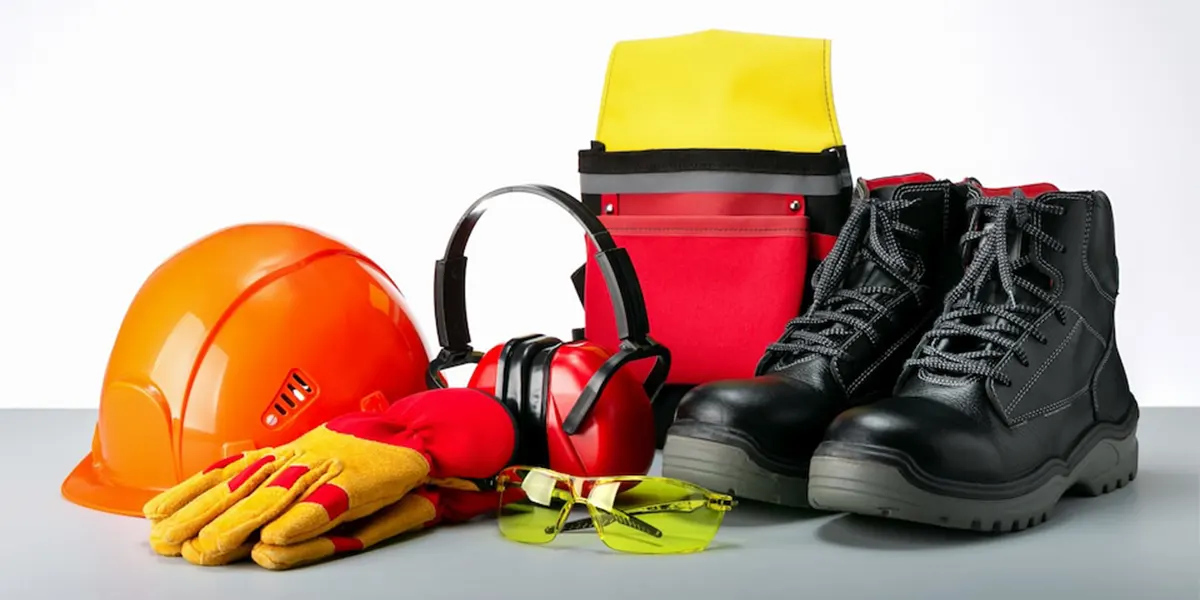
Industrial safety equipment encompasses a wide range of gear designed to protect workers from various workplace hazards. This includes personal protective equipment (PPE) like hard hats, safety glasses, gloves, and footwear, as well as equipment for specific hazards such as respirators, fall protection systems, and lockout/tagout devices.
Personal Protective Equipment (PPE):
- Head Protection: Hard hats and helmets protect against falling objects and electrical hazards.
- Eye and Face Protection: Safety glasses, goggles, and face shields protect against impacts, chemicals, and dust.
- Hearing Protection: Earplugs and earmuffs reduce noise exposure
- Respiratory Protection: Respirators protect against airborne contaminants
- Hand Protection: Gloves protect against cuts, burns, chemicals, and mechanical hazards.
- Foot Protection: Safety shoes and boots protect against impacts, punctures, and slips.
- High-Visibility Clothing: Enhances worker visibility, especially in low-light conditions.
- Fall Protection: Harnesses, lanyards, and anchor points are crucial in work at heights.
- Body Protection: Coveralls, aprons, and chemical-resistant suits protect against various hazards.
- Fire Safety Equipment: Fire extinguishers, fire blankets, and fire-resistant clothing are essential in environments where fire hazards exist.
- First Aid and Emergency Equipment: Eyewash stations, emergency showers, and first aid kits are crucial for responding to incidents.
Other Important Safety Equipment:
- Lockout/Tagout Devices: Used to isolate energy sources during maintenance and repairs.
- Safety Signs and Signals: Clearly mark hazards and communicate safety instructions.
- Traffic Safety Equipment: : Barricades, cones, and warning tapes are used to manage traffic flow and prevent accidents.
- Confined Space Entry Equipment: Specialized equipment for working in confined spaces, such as ventilation and rescue gear.
- Machine Guarding: Guards and shields on machinery to prevent accidental contact.
- Ventilation Systems: : Ensure proper air quality in workplaces.
Importance of Safety Equipment:
- Injury Prevention: Protects workers from a wide range of hazards.
- Reduced Risk: Minimizes the likelihood of accidents and injuries.
- Compliance with Regulations: : Many industries require the use of specific safety equipment.
- Increased Productivity: When workers feel safe, they can be more productive.
- Cost Savings: : Preventing accidents reduces costs associated with injuries, workers’ compensation, and lost productivity.